Pick your base
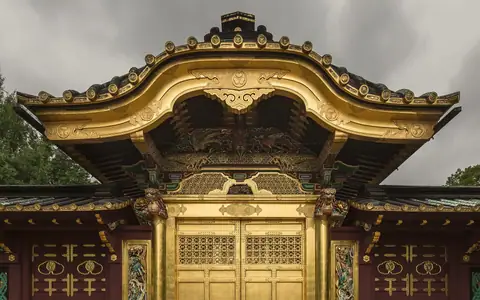
At a glance: 8 places
| Place | Nearest station | Price |
|---|---|---|
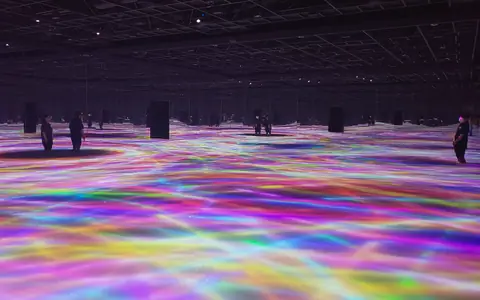
| teamLab PlanetsOdaiba | Shin-Toyosu · 1 min walk | ¥¥¥ |
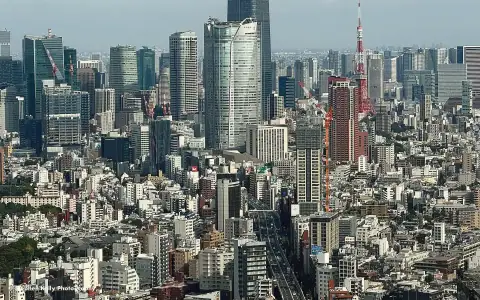
| Shibuya SkyShibuya | Shibuya · 1 min walk | ¥¥ |
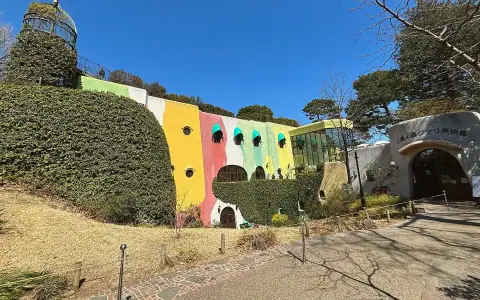
| Ghibli MuseumKichijoji | Mitaka · 18 min walk | ¥¥ |
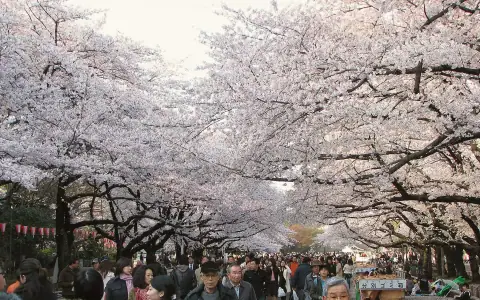
| Ueno ParkUeno | Ueno · 5 min walk | Free |
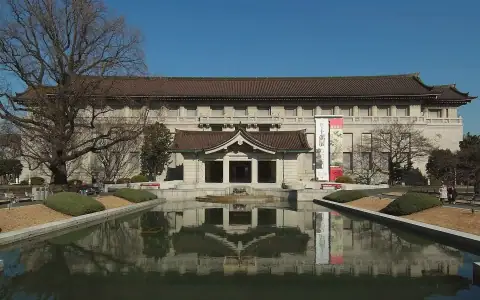
| Tokyo National MuseumUeno | Uguisudani · 6 min walk | ¥¥ |
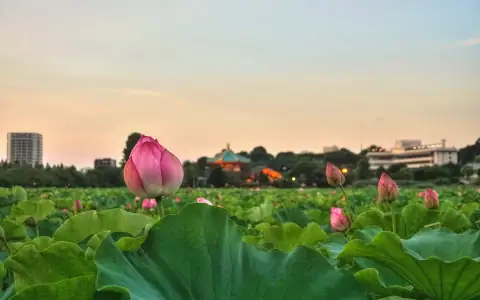
| Shinobazu PondUeno | Keisei-Ueno · 5 min walk | Free |
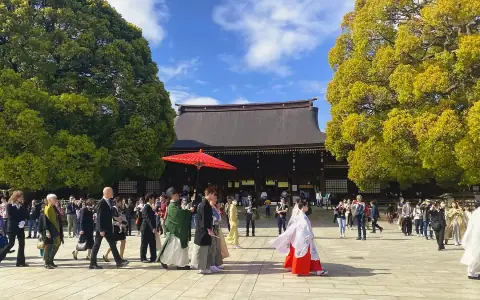
| Meiji JinguHarajuku | Sangubashi · 9 min walk | Free |
| Takeshita StreetHarajuku | Harajuku · 3 min walk | Free entry |
A week is the right length for a first Tokyo trip: long enough to see the big sights without rushing, and to find the side of the city that is yours. This plan gives each day one side of town, keeps one day for a trip out of the city, and leaves the last day loose.
How the week is built
Each day pairs two districts that touch, so you walk between them instead of crossing the city twice. Mornings go to temples, parks and markets, which are best early; afternoons to shops and museums; evenings to food and alleys. Base yourself near Shinjuku or Shibuya for the first-time mix of transport and nightlife, or near Ueno or Asakusa for lower prices and quieter nights. Load an IC card (Suica or Pasmo) on day one and you will rarely need anything else for local trains. Budget around ¥8,000–12,000 a day per person for food, entries and trains, plus the day trip.
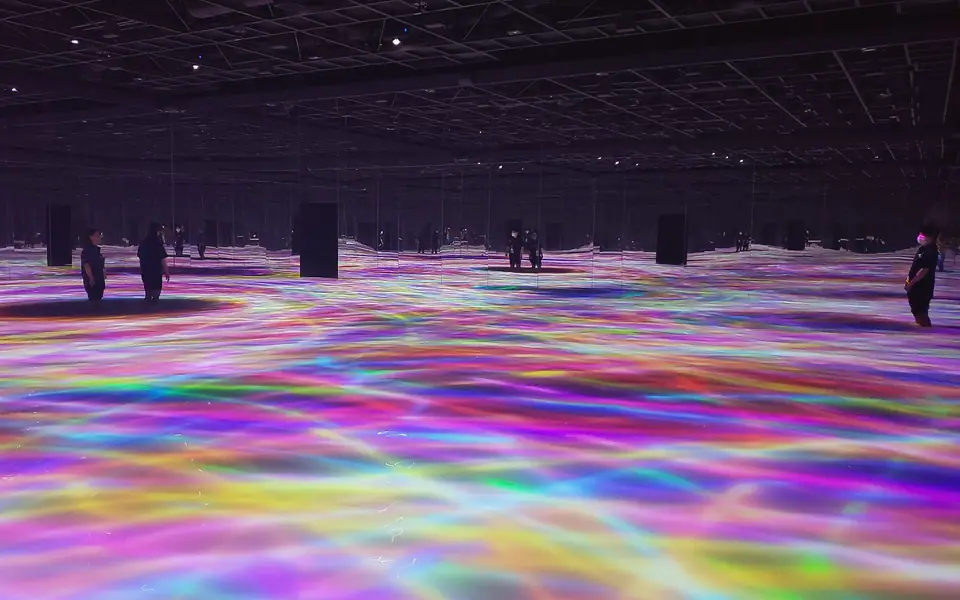
Book three things before you fly: a timed ticket for teamLab Planets, a timed slot for Shibuya Sky if you want the rooftop at sunset, and, if it matters to you, the Ghibli Museum, whose tickets for the following month go on sale on the 10th and sell out fast.
Day 1: Asakusa and Ueno, the old east side
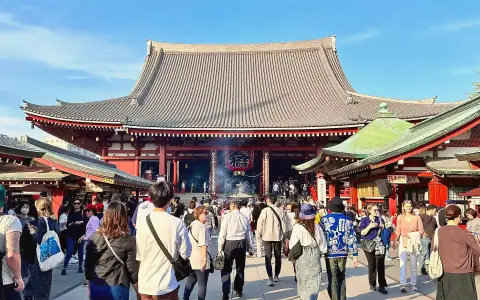
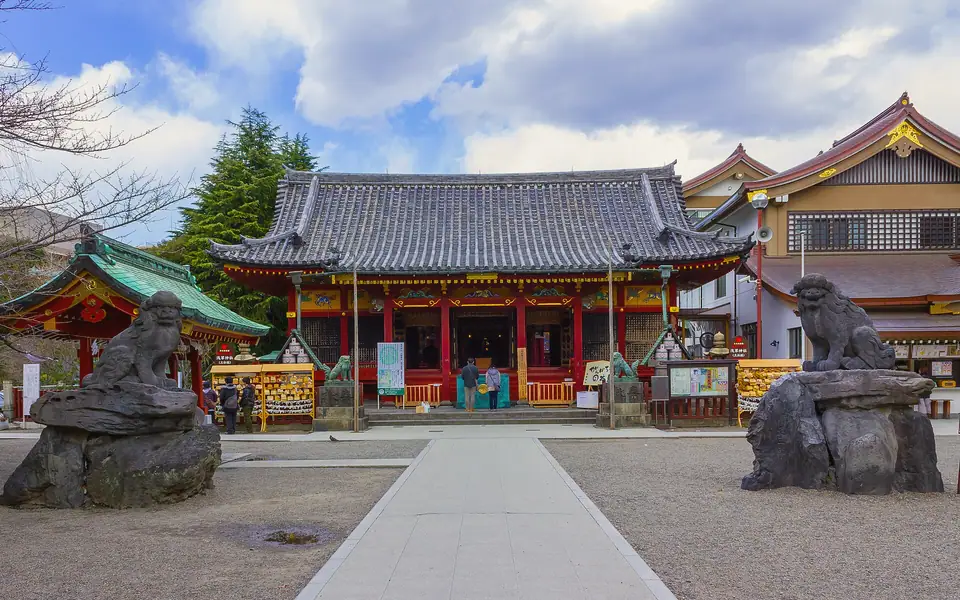
Start at Senso-ji before nine, when Nakamise-dori is still waking up and the incense smoke has the main hall almost to itself. Walk the back streets to the Sumida river for the view of Tokyo Skytree, then follow Kappabashi, the kitchen-supply street of knives, ceramics and plastic food samples, west toward Ueno.
Spend the afternoon in Ueno Park. The Tokyo National Museum is the one museum to choose if you only choose one. On a fine day, walk around Shinobazu Pond instead. In the evening, eat your way along Ameyoko under the train tracks: skewers, a highball, move on, repeat.
Day 2: Harajuku and Shibuya, the young west side
Be at Meiji Jingu’s gate early, when the forest path is quiet. Then cross to Takeshita Street as its crêpe stands open, and continue down Omotesando’s tree-lined avenue for the architecture. Cut through Cat Street’s backstreets for vintage and sneakers and you arrive in Shibuya on foot.

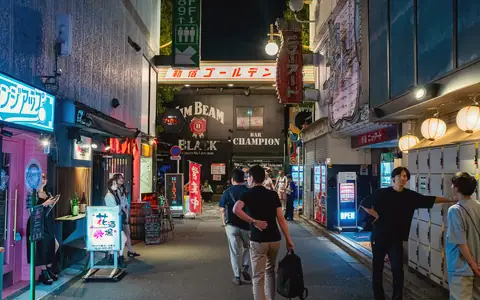
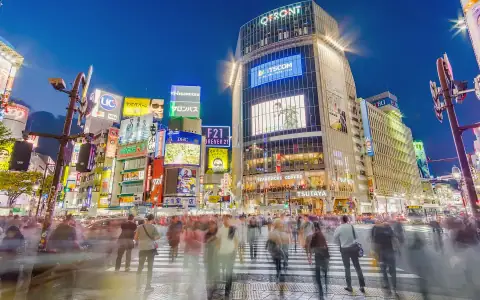
Cross Shibuya Crossing once from the street and once from above, either from Shibuya Sky at sunset or from a free café window. End the day in Nonbei Yokocho, two lanes of tiny bars beside the tracks, before a late dinner nearby.
Day 3: Shinjuku, from garden to alley
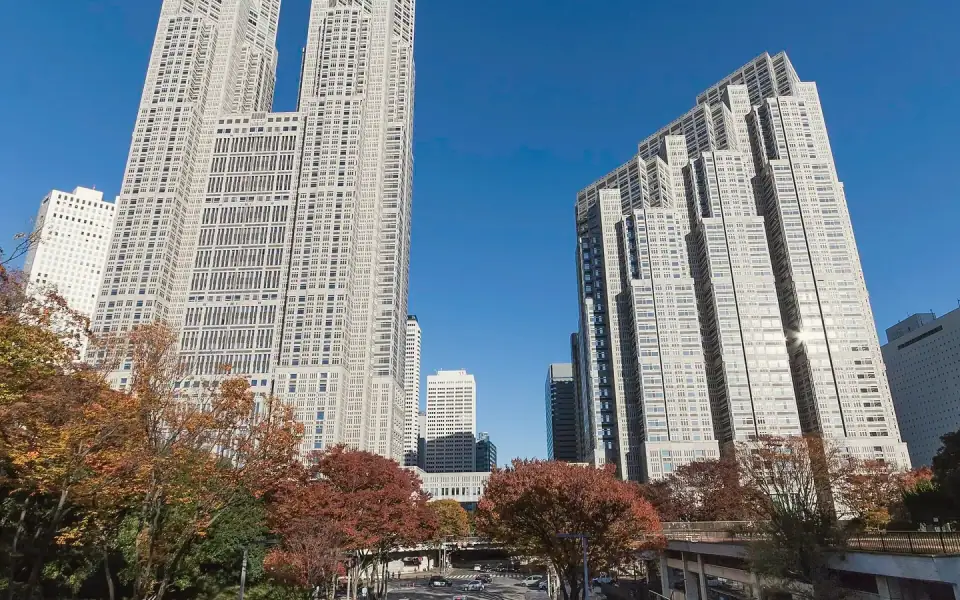
Shinjuku Gyoen is the calm half of Shinjuku: lawns, a Japanese garden and a greenhouse, with a small entry fee and a picnic-friendly mood. Walk west to the Tokyo Metropolitan Government Building, whose free observation floors look out over the city and, on clear winter mornings, to Mount Fuji.
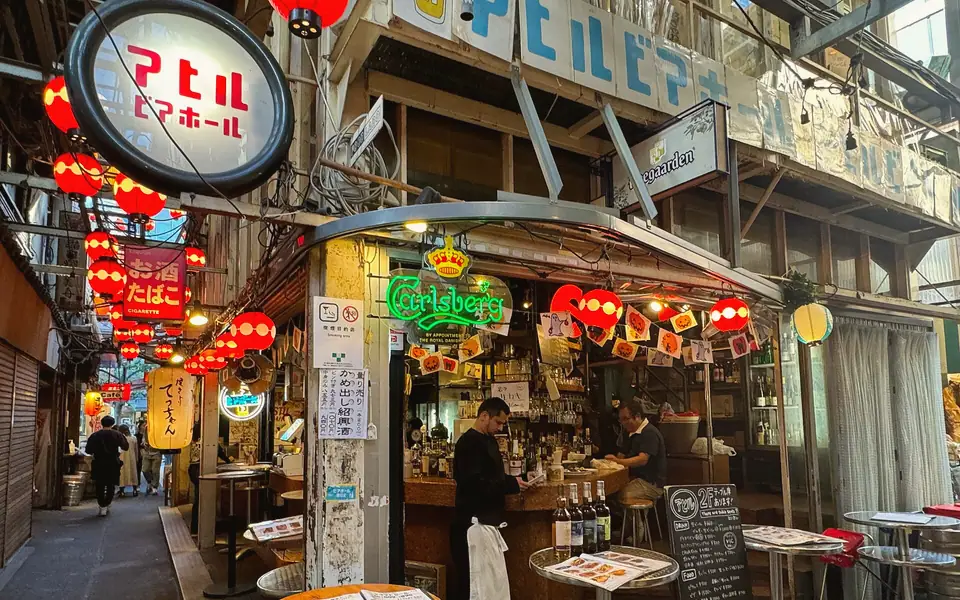
Keep the evening for the alleys. Eat yakitori in Omoide Yokocho by the station, then cross to Golden Gai, where some two hundred bars of six to ten seats each have their own theme and their own cover charge. Look at the sign on the door before you go in.
Day 4: Akihabara and Yanaka, neon to old town
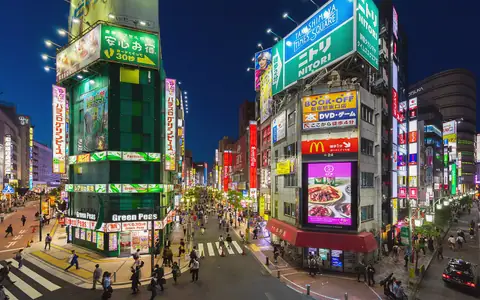
Spend the morning in Akihabara’s Electric Town: multi-storey arcades, retro game shops, figure towers and gachapon halls, best on a weekday before the crowds. Then take the Yamanote line three stops north for the opposite mood.
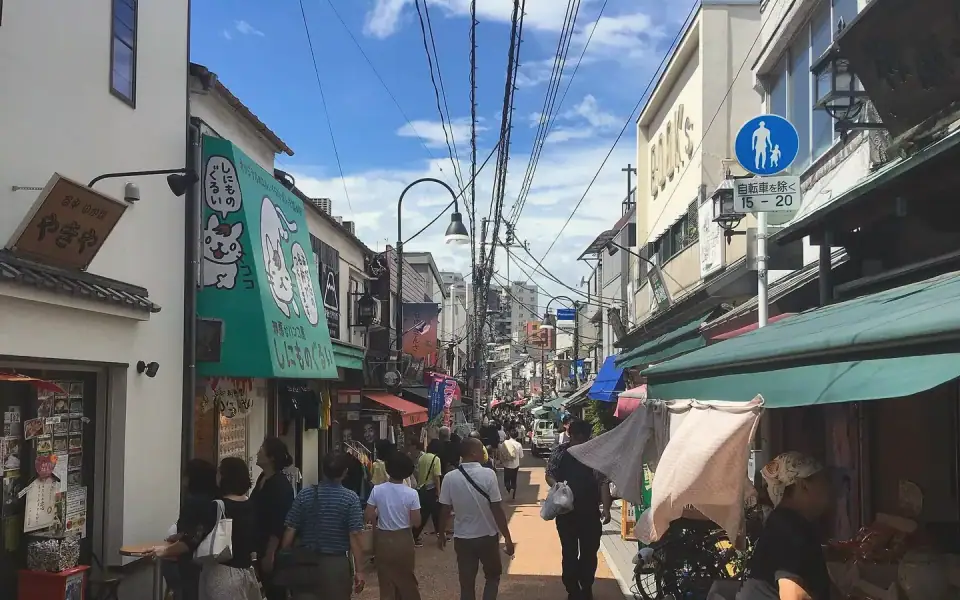
Yanaka is old Tokyo that survived the war: temples, wooden houses and Yanaka Ginza, a small shopping street of croquettes, crafts and cats. Walk down to Nezu Shrine and its tunnel of red torii, and stay for an early dinner in the neighborhood’s small restaurants.
Day 5: Tsukiji, Ginza and the bay
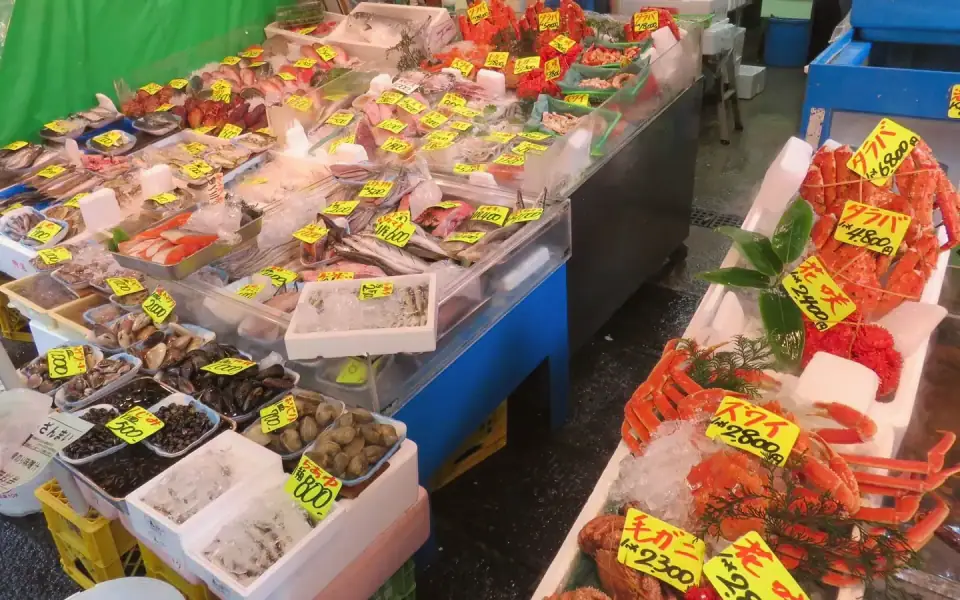
Go to the Tsukiji Outer Market for breakfast: tamagoyaki, grilled seafood and sushi counters, at their best before late morning. Walk on to Ginza for department-store food halls, flagship stores and the pedestrian Chuo-dori on weekend afternoons.
In the afternoon, cross the water to Toyosu for teamLab Planets, where you walk barefoot through rooms of water and light on your timed ticket. Finish at Odaiba’s seaside park, with the Rainbow Bridge and the city lights across the bay.
Day 6: one day out of the city
Choose one. Kamakura, about an hour south on the JR Yokosuka line, has the Great Buddha, Zen temples and a beach. Hakone, reached on the Odakyu Romancecar from Shinjuku, has hot springs, a lake loop and, when the sky is clear, views of Fuji. Nikko, about two hours north on the Tobu line from Asakusa, has ornate shrines in a cedar forest. Leave early, travel light, and be back in Tokyo for dinner.
Day 7: the west side and a last night view
Spend your last day on the Chuo and Inokashira lines. Shimokitazawa is the capital of vintage clothes and small live houses, and Kichijoji has Inokashira Park, Harmonica Yokocho and, for ticket holders, the Ghibli Museum. Pick one, or both if you start early.
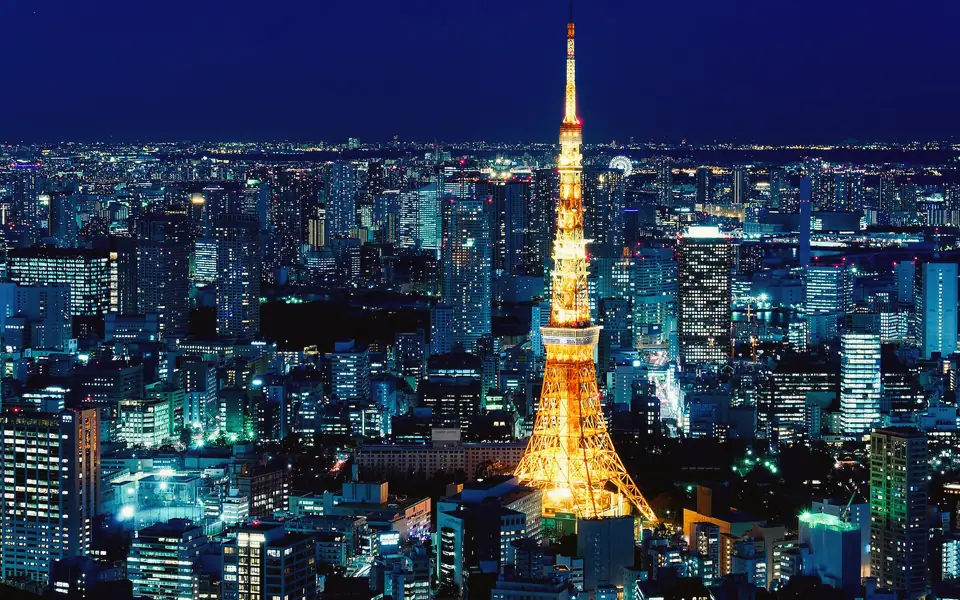
For your final evening, head to Roppongi for the view from Roppongi Hills or walk under the lit-up Tokyo Tower. It is a fitting last image of the city, and a good moment to choose where you will start next time.